


Turning Used Batteries into Strategic Resources
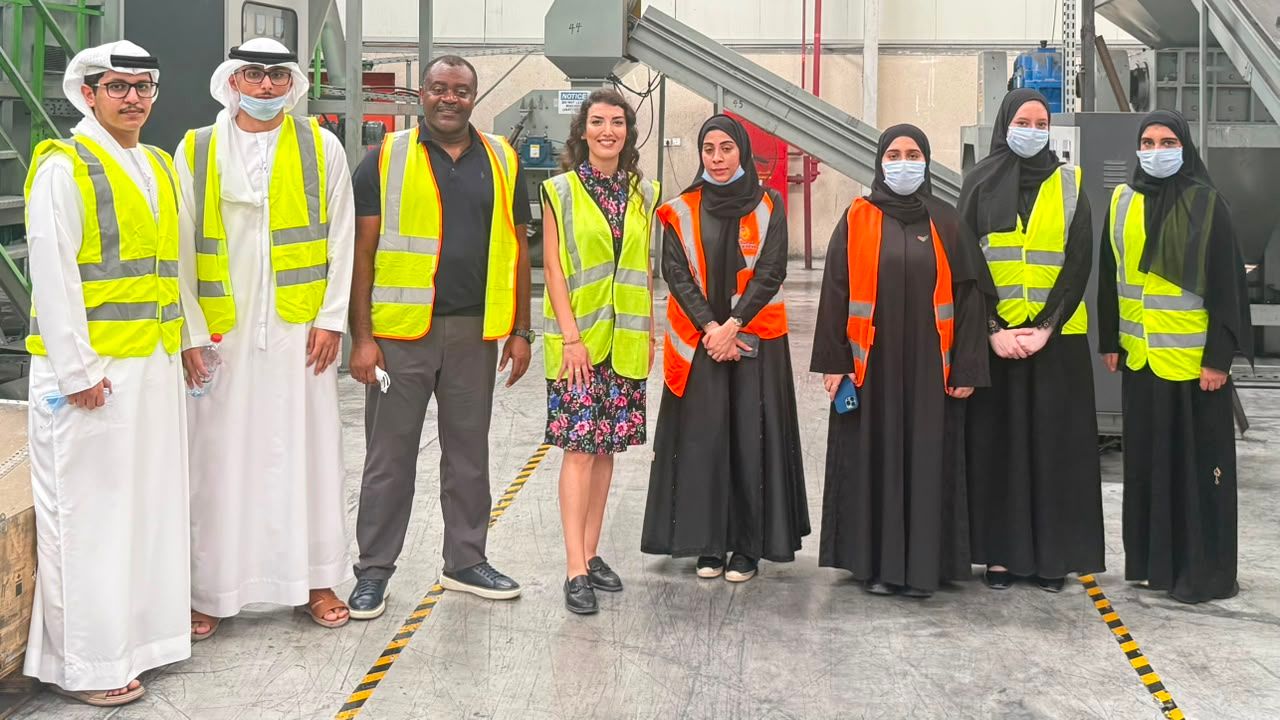
Madenat Al Nokhba’s lithium-ion battery processing facility demonstrates how advanced recycling could help the GCC recover valuable materials, reduce waste and strengthen regional resource security. Lithium-ion batteries now power everything from smartphones and laptops to electric vehicles, power tools and renewable energy systems. Their growing use is supporting technological and energy transformation across the GCC—but it is also creating a rapidly expanding waste-management challenge.
Dubai-based Madenat Al Nokhba Recycling Services LLC is addressing this challenge through its Lithium-Ion Battery Processing Unit, designed to recover valuable materials from discarded batteries while managing the safety risks associated with their transportation, storage and treatment.
According to Joseph Nforbin, Managing Director of Madenat Al Nokhba Recycling Services, the facility has a scalable processing capacity of 10,000 metric tonnes per year and can handle lithium-ion batteries from consumer electronics, electric vehicles, power tools and renewable energy systems.
“The Lithium-Ion Battery Processing Unit is a state-of-the-art solution designed to address the specific challenges posed by discarded batteries,” Nforbin said. “These batteries contain valuable materials such as lithium, cobalt and nickel, which are crucial for the production of new batteries.”
From discarded batteries to black massMadenat’s mechanical recycling process begins with battery disassembly before progressing through shredding, grinding, crushing and sieving. These stages separate high-value materials from battery casings and foils, producing a material commonly known as black mass.
Black mass contains metals that can be processed into battery-grade salts and returned to manufacturing. Recovering these materials can reduce reliance on virgin resource extraction while retaining more of their value within the economy.
The facility uses robotics and automated processes to support the safe disassembly of batteries, reduce risks to workers and improve material recovery.
“Our advanced mechanical recycling technology is designed to handle even complex lithium-ion batteries,” Nforbin explained. “Through this process, we aim to produce black mass—a valuable commodity used in producing battery-grade metal salts.”
The processing unit forms part of Madenat’s wider recycling operations. Established in 2015, the company treats waste electrical and electronic equipment, batteries, cables, spent lamps, aerosol cans, hazardous waste and other specialist waste streams.
Managing battery risks safelyLithium-ion batteries require careful handling throughout collection, transportation and processing. Their complex construction and chemistry mean damaged or incorrectly stored batteries can present fire and safety risks, particularly if their terminals come into contact with conductive materials.
Madenat recommends covering exposed battery terminals with non-conductive tape before storage or recycling to reduce the risk of unwanted contact and potential fires.
“Lithium-ion batteries power a broad spectrum of devices and are valued for their high energy density and long life,” Nforbin said. “However, recycling them presents unique challenges due to their complex chemistry and construction.”
Different battery categories may also require different treatment processes to recover materials such as lithium, cobalt and nickel effectively. Maintaining clear documentation, appropriate separation and strict safety protocols is therefore essential throughout the recycling journey.
At Madenat’s facility, incoming electrical and electronic waste is weighed, documented, sorted and separated into hazardous and non-hazardous categories before entering the appropriate treatment process.
Supporting a more circular GCC economyThe significance of battery recycling extends beyond responsible waste management. The GCC currently depends heavily on imported raw materials, including materials used in battery production. Recovering these resources domestically could help retain value within the region and support greater supply-chain resilience.
“The GCC region’s rapid growth has led to a heavy reliance on imported materials, including those required for battery production,” Nforbin said. “Embracing lithium battery recycling contributes to the circular economy, where products and materials are reused, repaired or recycled to minimise waste.”
As battery use continues to grow across transport, consumer technology, industry and renewable energy, the availability of appropriate recycling infrastructure will become increasingly important. Investment in regional processing capacity could help reduce the environmental impact associated with end-of-life batteries while supporting the development of a more closed-loop battery economy.
For Madenat, the objective is to transform yesterday’s power sources into materials with renewed commercial value.
“With Madenat’s Lithium-Ion Battery Processing Unit, the GCC can establish a degree of resource independence,” Nforbin said. “By recycling batteries effectively and reintegrating recovered materials into new products, we can reduce the carbon footprint associated with mining and refining raw materials.”
Madenat Al Nokhba Recycling Services will be exhibiting at Recycling Expo Middle East, taking place on 22–23 September 2026 at Festival Arena, Dubai.
)
)
)
)
)
)
)
)
)